CTD-series

Modeling & Simulation as Regulatory Evidence in the CTD: Practical Case Studies Across PopPK/PD, PBPK, E–R, and QSP

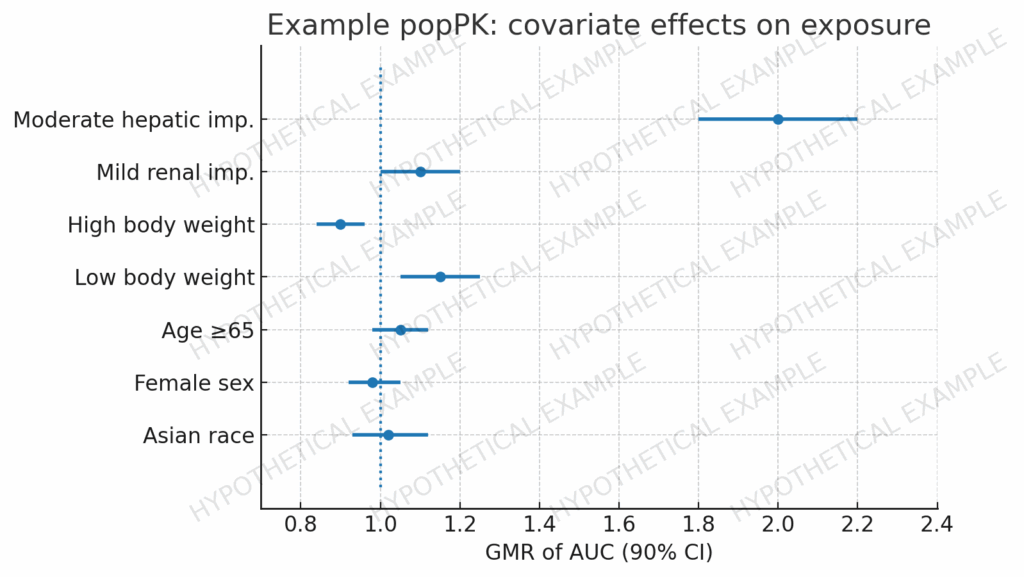
Model-informed analyses are increasingly recognized by regulators and sponsors as credible evidence—especially when the question is clear, the model is verified for purpose, and uncertainties are transparent. This article reviews real submissions where M&S supported dose selection, regimen bridging, DDI labeling, pediatric dosing, and systems-level benefit–risk insight. Contents Introduction Case 1 — Exposure Bridging (Pembrolizumab […]
Modeling & Simulation as Regulatory Evidence in the CTD: Practical Case Studies Across PopPK/PD, PBPK, E–R, and QSP Read More »

The Regulatory Glue: Integrating Modules 2–5 for FDA, EMA, and Beyond

Figure 1. Global “regulatory glue” overview: a shared evidence package (PK/PD, ER, nonclinical, clinical) flows into Module 2 and is translated for multiple agencies. Introduction Regulatory submissions succeed or fail not only on the strength of their data but also on how well the story flows across modules. Reviewers are not reading each report in

The Regulatory Glue: Integrating Modules 2–5 for FDA, EMA, and Beyond Read More »

CTD 2.6.4 Playbook: Writing a Reviewer-Ready Nonclinical ADME That Bridges Module 4 to 2.7.1 (with Modality-Specific Examples)

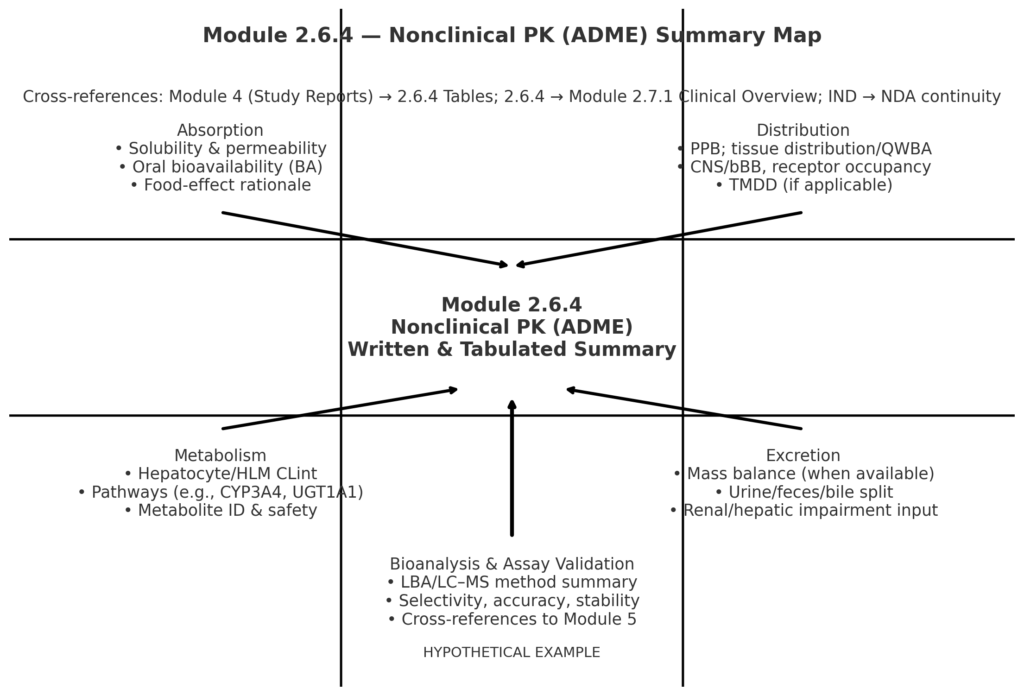
Module 2.6.4 is the reviewer’s fast path to your nonclinical ADME story. Done well, it shows what was studied, what was learned, and why those data are sufficient for the current stage of development and the proposed clinical plan, with traceability back to Module 4 and forward to the clinical overview (2.7.1) [1]. What belongs

CTD 2.6.4 Playbook: Writing a Reviewer-Ready Nonclinical ADME That Bridges Module 4 to 2.7.1 (with Modality-Specific Examples) Read More »

From Bioanalysis to Biowaivers: Writing Module 2.7.1 That Travels From IND to NDA

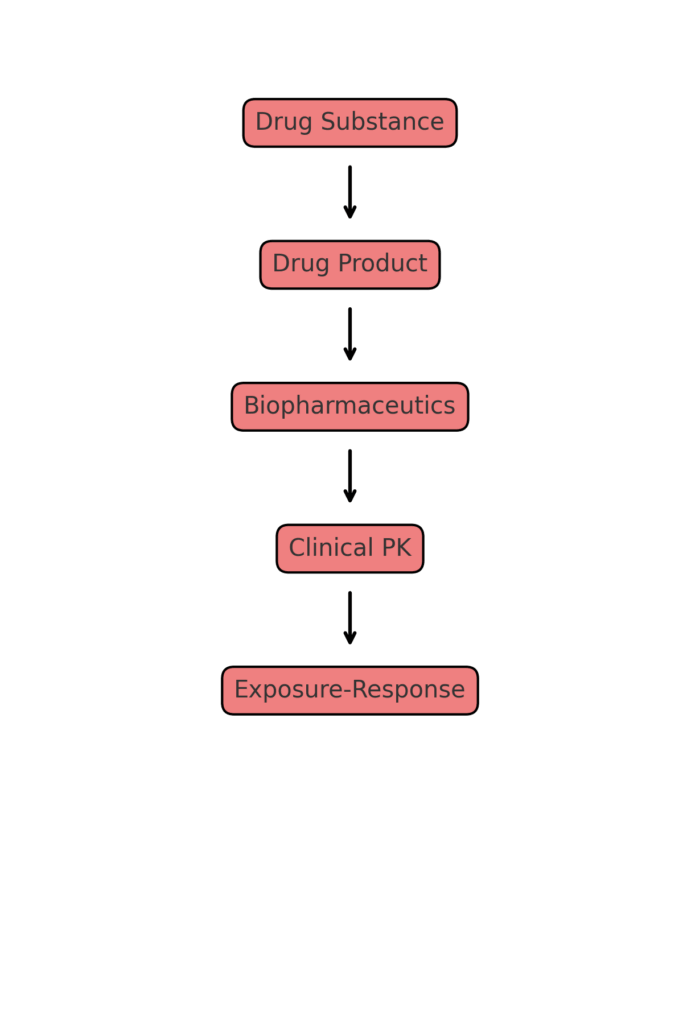
Executive Snapshot Purpose of 2.7.1: Turn biopharmaceutics and bioanalysis into decision-grade summaries that support clinical interpretation, bridging, and labeling. Keep it living from IND → EoP2 → NDA so the story is traceable and consistent across the dossier [1]. Scope (in brief): BA/BE including food effect, dissolution/IVIVC/BCS, and clinical PK assay summaries (LLOQ/ULOQ, A/P, stability,

From Bioanalysis to Biowaivers: Writing Module 2.7.1 That Travels From IND to NDA Read More »

CTD Series – Module 2.7.2: Building a Label-Ready Dose Rationale from IND to NDA

Dossier Deep Dive · Part 3 Executive Snapshot Why 2.7.2 matters: This is the concise, integrated clinical pharmacology narrative that underpins dose, regimen, and labeling—read alongside the Clinical Overview (2.5) and substantiated by Module 5. Start at IND: Draft a light “2.7.2” scaffold (exposure metrics, covariates, DDI/food-effect plan, modeling shells) and harden iteratively through EoP2.

CTD Series – Module 2.7.2: Building a Label-Ready Dose Rationale from IND to NDA Read More »

Module 2: Integrating Clinical & Nonclinical Summaries From IND Through NDA

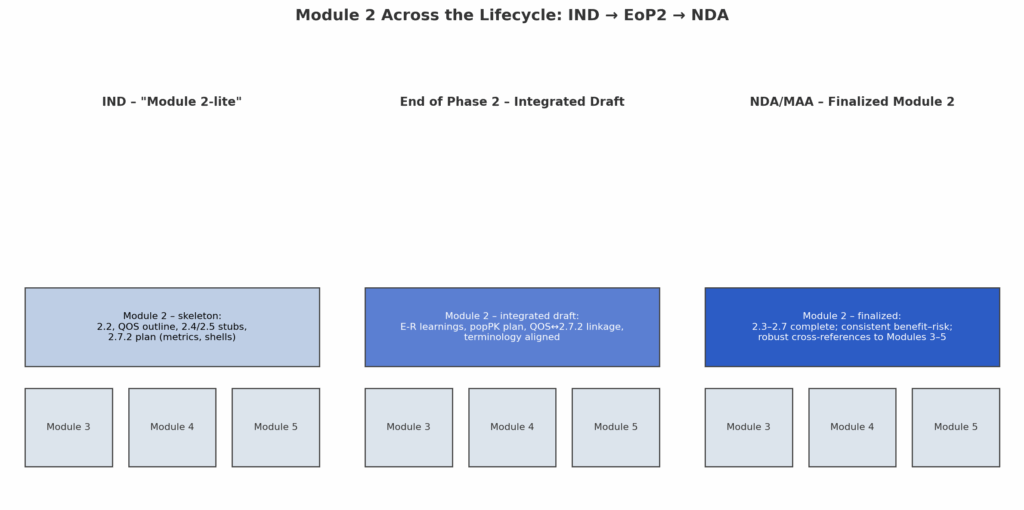
Dossier Deep Dive · Part 2 Executive Snapshot Module 2 is the first thing reviewers read and the last thing many sponsors draft. Flip that. Start a “Module 2-lite” at IND: a reusable skeleton for 2.2–2.7 that you harden over time [1][2][3]. Integrate, don’t duplicate: use cross-references to Modules 3–5; keep one coherent benefit–risk narrative.

Module 2: Integrating Clinical & Nonclinical Summaries From IND Through NDA Read More »