From Bioanalysis to Biowaivers: Writing Module 2.7.1 That Travels From IND to NDA

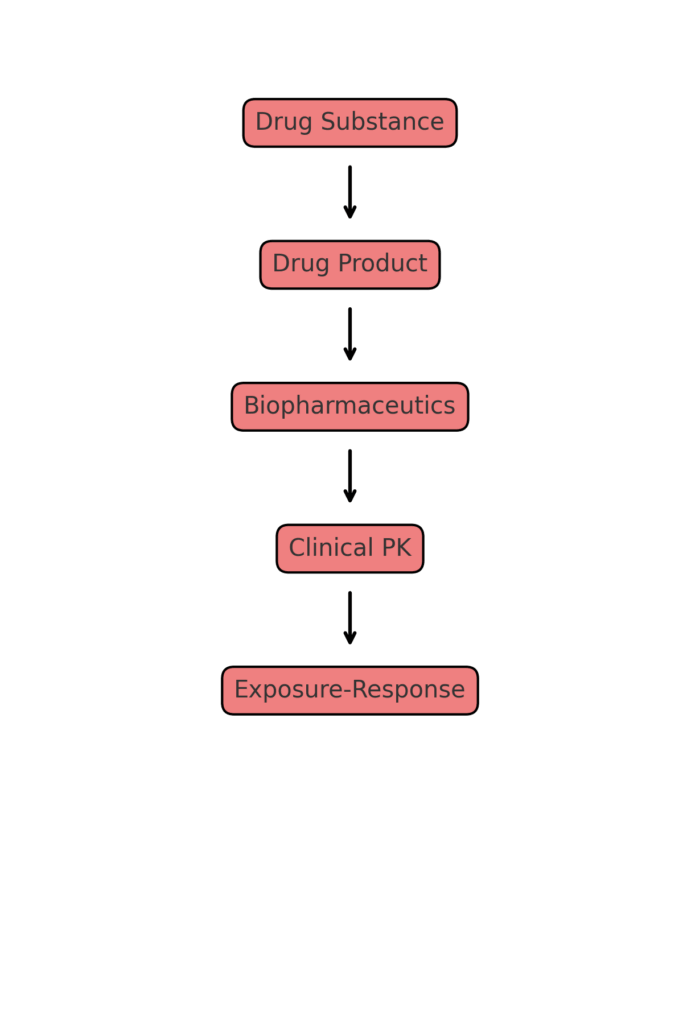
Executive Snapshot Purpose of 2.7.1: Turn biopharmaceutics and bioanalysis into decision-grade summaries that support clinical interpretation, bridging, and labeling. Keep it living from IND → EoP2 → NDA so the story is traceable and consistent across the dossier [1]. Scope (in brief): BA/BE including food effect, dissolution/IVIVC/BCS, and clinical PK assay summaries (LLOQ/ULOQ, A/P, stability, […]

From Bioanalysis to Biowaivers: Writing Module 2.7.1 That Travels From IND to NDA Read More »
Artificial Intelligence in Pharmacometrics: Current Applications and Practical Examples

1. Introduction Pharmacometrics underpins model-informed drug development through population PK/PD modeling, exposure–response analyses, and PBPK/QSP frameworks. Increasing dataset complexity, adaptive trial designs, and demand for faster timelines are reshaping expectations. AI and ML methods are gaining traction not as replacements, but as accelerators and enhancers. This review presents recent (2022–2025) advancements in AI’s role across

Artificial Intelligence in Pharmacometrics: Current Applications and Practical Examples Read More »

CTD Series – Module 2.7.2: Building a Label-Ready Dose Rationale from IND to NDA

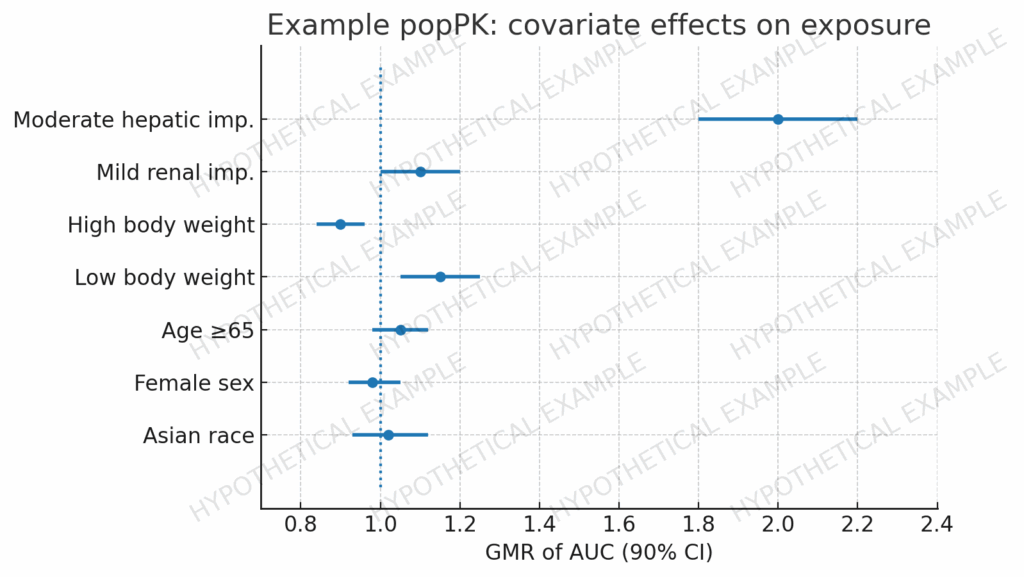
Dossier Deep Dive · Part 3 Executive Snapshot Why 2.7.2 matters: This is the concise, integrated clinical pharmacology narrative that underpins dose, regimen, and labeling—read alongside the Clinical Overview (2.5) and substantiated by Module 5. Start at IND: Draft a light “2.7.2” scaffold (exposure metrics, covariates, DDI/food-effect plan, modeling shells) and harden iteratively through EoP2.

CTD Series – Module 2.7.2: Building a Label-Ready Dose Rationale from IND to NDA Read More »

Module 2: Integrating Clinical & Nonclinical Summaries From IND Through NDA

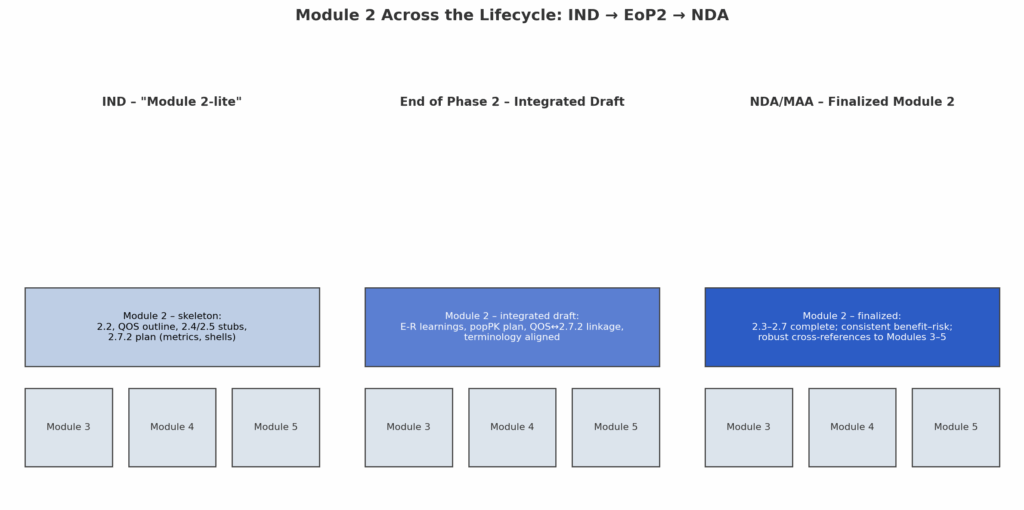
Dossier Deep Dive · Part 2 Executive Snapshot Module 2 is the first thing reviewers read and the last thing many sponsors draft. Flip that. Start a “Module 2-lite” at IND: a reusable skeleton for 2.2–2.7 that you harden over time [1][2][3]. Integrate, don’t duplicate: use cross-references to Modules 3–5; keep one coherent benefit–risk narrative.

Module 2: Integrating Clinical & Nonclinical Summaries From IND Through NDA Read More »

Rethinking “Me-Too” Drugs: Leveraging Validated Pathways for Faster and Smarter Drug Development

The CLUE framework for “next-in-class” and “me better” drugs. Introduction The term “me-too” drug has historically been used pejoratively to describe follow-on compounds perceived as redundant or commercially motivated imitations of first-in-class agents. Yet this view overlooks a critical reality of modern drug development: once a pathway or target is clinically validated, subsequent entrants can

Rethinking “Me-Too” Drugs: Leveraging Validated Pathways for Faster and Smarter Drug Development Read More »

AI in Preclinical and Clinical Drug Development: Opportunities, Challenges, and Practical Applications

Introduction Bringing a new therapy from concept to market is a long, complex, and resource-intensive process. Timelines typically extend 8–12 years and costs can exceed $2 billion [1]. Despite this investment, only about 10% of drugs entering clinical trials ultimately receive approval [2]. These inefficiencies stem from high attrition rates, translation gaps between preclinical and

AI in Preclinical and Clinical Drug Development: Opportunities, Challenges, and Practical Applications Read More »

Evolution of Therapeutic Modalities: FDA Approvals and Innovation Landscape

Over the past several decades, drug development has expanded from traditional small-molecule chemicals to a diverse array of therapeutic modalities. These include biologics such as monoclonal antibodies (mAbs), antibody-drug conjugates (ADCs), nucleic acid-based therapies (siRNA, antisense oligonucleotides, mRNA vaccines), gene and cell therapies (including gene editing), and radiopharmaceuticals. In this deep dive, we explore the

Evolution of Therapeutic Modalities: FDA Approvals and Innovation Landscape Read More »

PBPK and QSP: Two Powerful Tools for Drug Development — When and Why to Use Each

In today’s complex drug development landscape, PBPK and QSP modeling are key tools that help bridge data, de-risk decisions, and support regulatory interactions. PBPK Modeling Physiologically Based Pharmacokinetic (PBPK) models describe drug disposition in the body based on organ-specific physiology and biochemistry. They are commonly used for: PBPK is especially useful in early development and

PBPK and QSP: Two Powerful Tools for Drug Development — When and Why to Use Each Read More »