The ClinPharm Pulse

Bi-weekly regulatory updates and technical intelligence for the Pharma/Biotech industry.

Oligonucleotide Therapeutics (ASOs, siRNAs, LNPs) and Clinical Pharmacology Plans

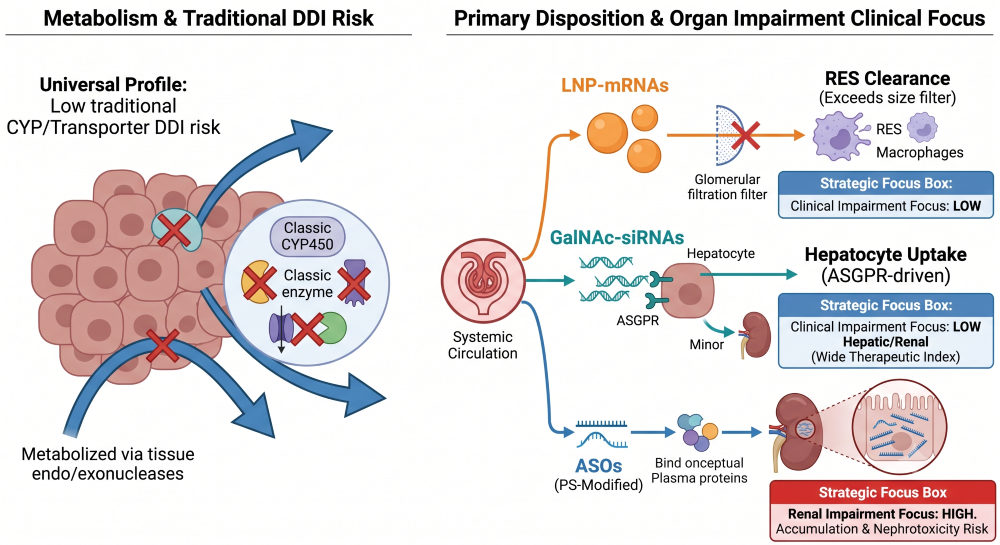
The Modality Matrix Series Portfolio This fifth installment shifts focus to genetic medicines, addressing the unique intracellular pharmacodynamics and clearance mechanisms of synthetic nucleic acids. Managing Oligonucleotide Therapeutics requires a Clinical Pharmacology Plan (CPP) specifically calibrated to the FDA’s final June 2024 regulatory guidance. Article Sequence Thematic Focus Status Article 1 Overview of Modalities and […]

Oligonucleotide Therapeutics (ASOs, siRNAs, LNPs) and Clinical Pharmacology Plans Read More »
Antibody-Drug Conjugates (ADCs) and Multi-Analyte Quantitative Pharmacology Plans

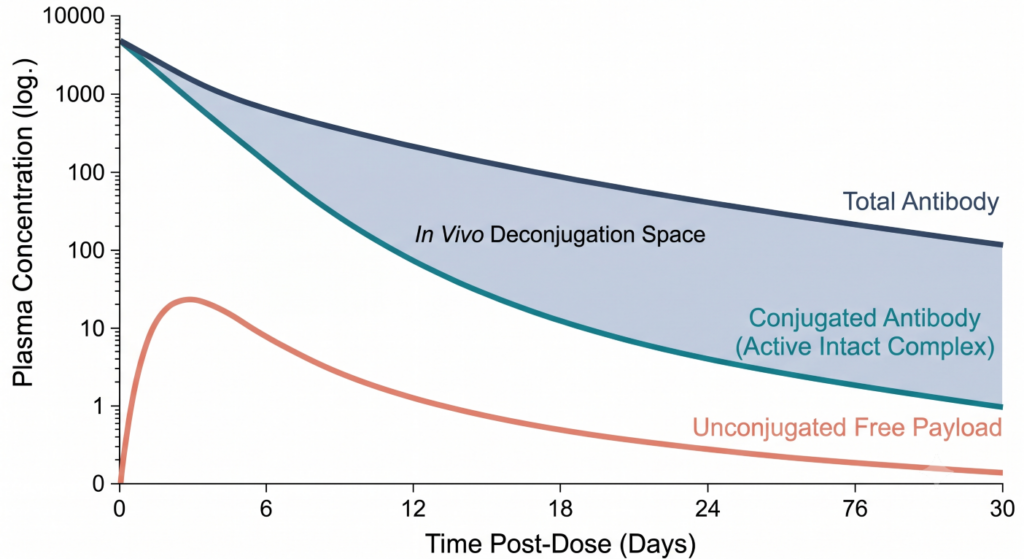
The Modality Matrix Series Portfolio This fourth installment bridges the gap between small and large molecule pharmacokinetics by examining engineered multi-component systems. Managing Antibody-Drug Conjugates (ADCs) requires an integrated Clinical Pharmacology Plan (CPP) designed to align with the newly finalized 2026 ICH M15 model credibility standards. Article Sequence Thematic Focus Status Article 1 Overview of

Antibody-Drug Conjugates (ADCs) and Multi-Analyte Quantitative Pharmacology Plans Read More »

The Large Molecule Clinical Pharmacology Plan: Mechanistic Disposition of Monoclonal and Bispecific Antibodies

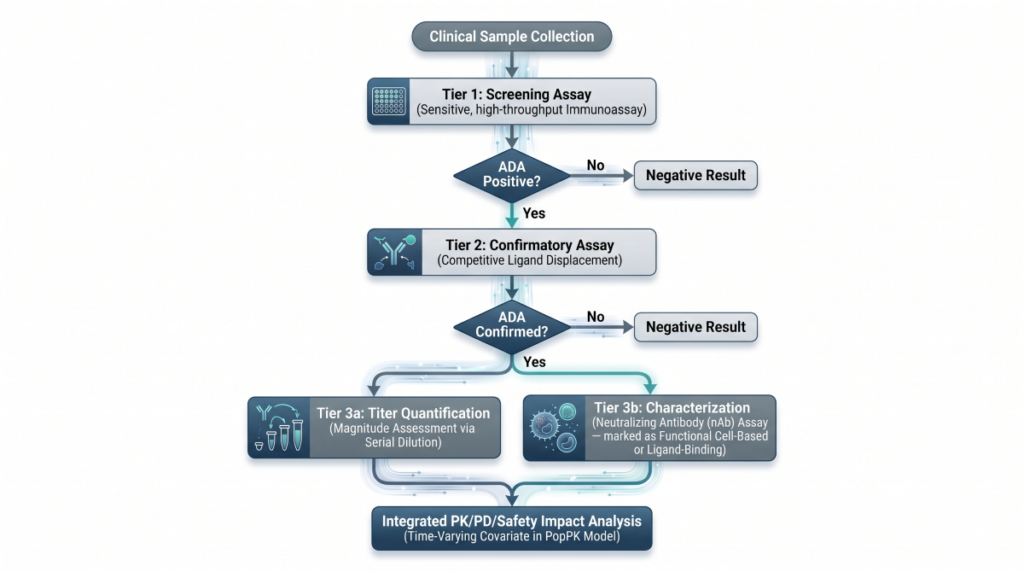
The Modality Matrix Series Portfolio This third report shifts focus from low-molecular-weight chemical entities to engineered macromolecular biologics. The clinical pharmacology plan (CPP) for large molecules requires multi-dimensional characterization of tissue convection, target-mediated saturation, spatial binding kinetics, and immunogenicity profiles to clear modern regulatory barriers. Article Sequence Thematic Focus Status Article 1 Overview of Modalities

The Large Molecule Clinical Pharmacology Plan: Mechanistic Disposition of Monoclonal and Bispecific Antibodies Read More »

The Small Molecule Clinical Pharmacology Plan

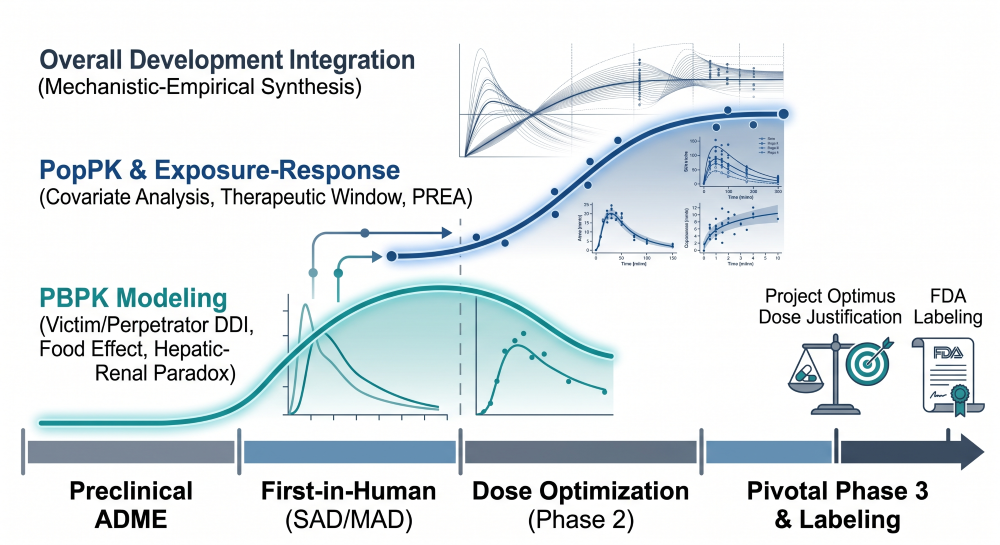
While small molecules represent the foundational pillar of systemic pharmacotherapy, the regulatory landscape of 2026 demands a departure from empirical dose-finding. This report details the comprehensive requirements of a modern small molecule Clinical Pharmacology Plan (CPP), spanning biopharmaceutics, classical ADME, metabolic liabilities, and the Model-Informed Drug Development (MIDD) engine. Article Sequence Thematic Focus Status Article

The Small Molecule Clinical Pharmacology Plan Read More »

Comprehensive Clinical Pharmacology and QCP: Modality-Specific Requirements in Drug Development

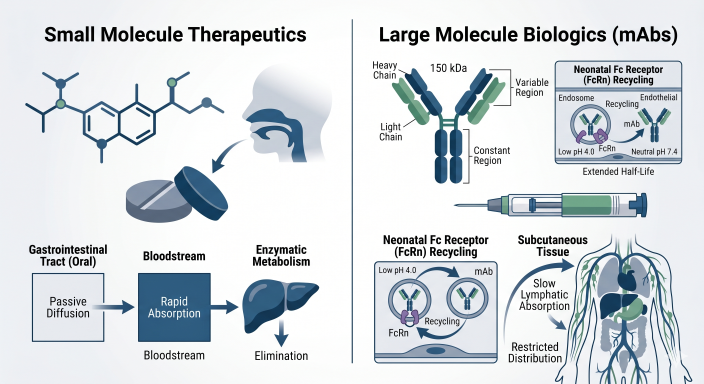
Executive Outline: Series on Modality-Specific Clinical Pharmacology To address the rapidly evolving landscape of therapeutic modalities and the increasing complexity of regulatory requirements, this comprehensive report serves as the foundational document in a specialized series detailing modality-specific requirements for clinical pharmacology, drug metabolism and pharmacokinetics (DMPK), and pharmacometrics. The series is structured to provide an

Comprehensive Clinical Pharmacology and QCP: Modality-Specific Requirements in Drug Development Read More »

Global Pediatric Strategy in 2026: Synchronizing iPSP, PIP, and New 2026 Incentives in Japan and China

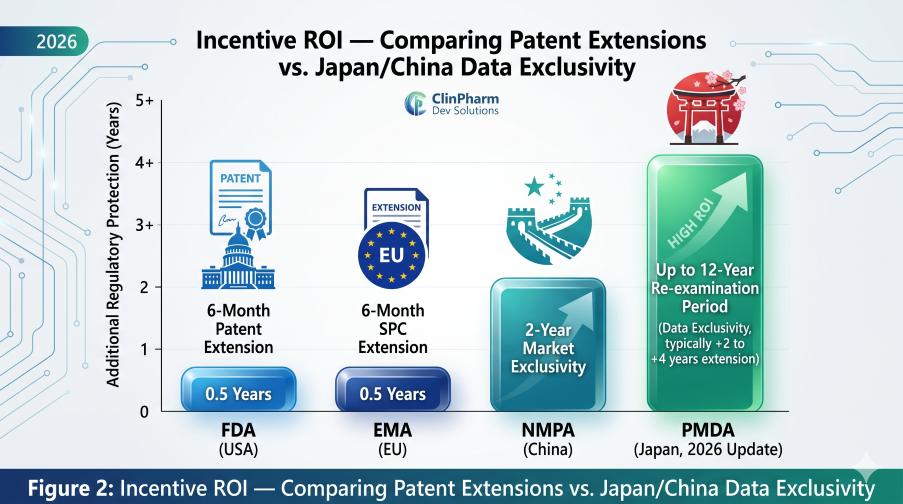
Strategic Overview: As of April 14, 2026, we are in the critical pre-implementation window for the most significant global pediatric regulatory shifts in a decade. With only weeks remaining until the May 2026 implementation of new incentives in Japan and China, sponsors must reconcile the 24-month “Timing Gap” between EMA and FDA milestones. This analysis

Global Pediatric Strategy in 2026: Synchronizing iPSP, PIP, and New 2026 Incentives in Japan and China Read More »

Integrating ICH E11A and the Plausible Mechanism Framework for Pediatric Extrapolation: 2026 Regulatory Update

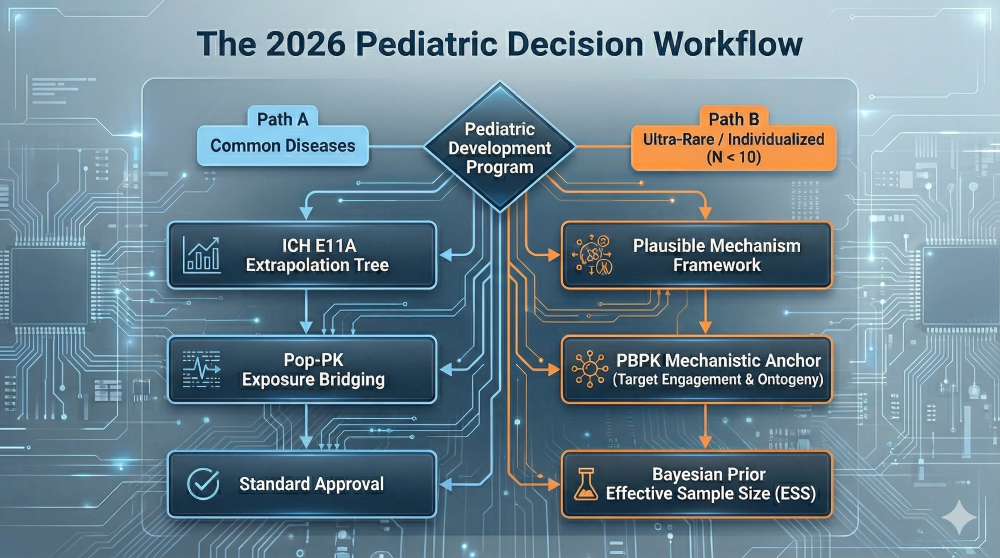
Executive Summary: As of March 2026, pediatric drug development has moved beyond simple “trial size reduction” to a strategy of Mechanistic Justification. While the finalized ICH E11A (2025) guideline provides the high-level extrapolation tree, the February/March 2026 FDA Modernization Pack—specifically the Plausible Mechanism Framework and the new Bayesian Methodology Standards—has redefined the “totality of evidence.”

Integrating ICH E11A and the Plausible Mechanism Framework for Pediatric Extrapolation: 2026 Regulatory Update Read More »

The FDA’s March 2026 NAMs Guidance: A Strategic Framework for Reducing Animal Testing in Biotech

Executive Summary On March 18, 2026, the FDA issued a landmark draft guidance on New Approach Methodologies (NAMs), signaling a transformative shift in the preclinical landscape. For small biotechs, the guidance provides a formal pathway to use in silico models, organ-on-a-chip technology, and other non-animal methods to support regulatory decision-making. This is no longer just

The FDA’s March 2026 NAMs Guidance: A Strategic Framework for Reducing Animal Testing in Biotech Read More »