Clinical Pharmacology

The Large Molecule Clinical Pharmacology Plan: Mechanistic Disposition of Monoclonal and Bispecific Antibodies

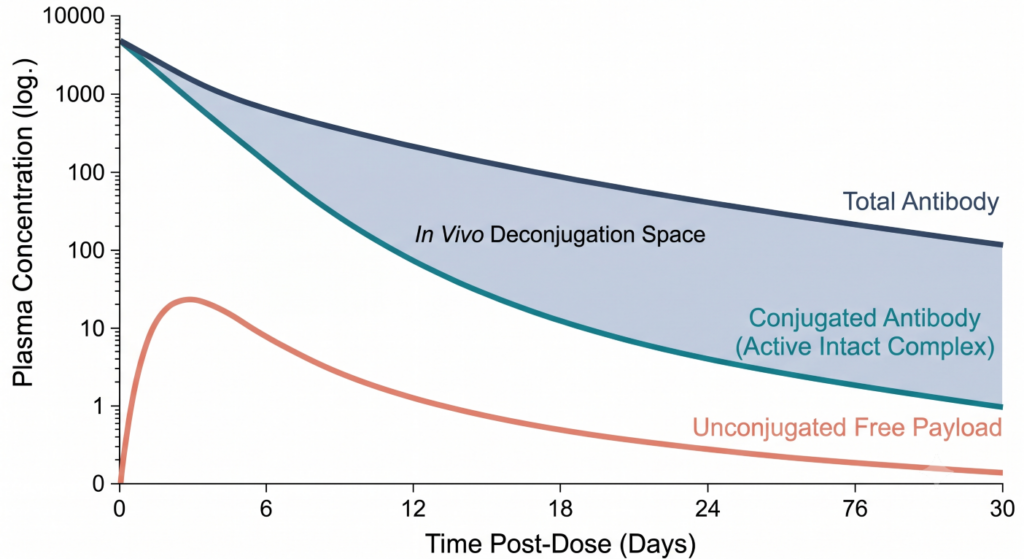
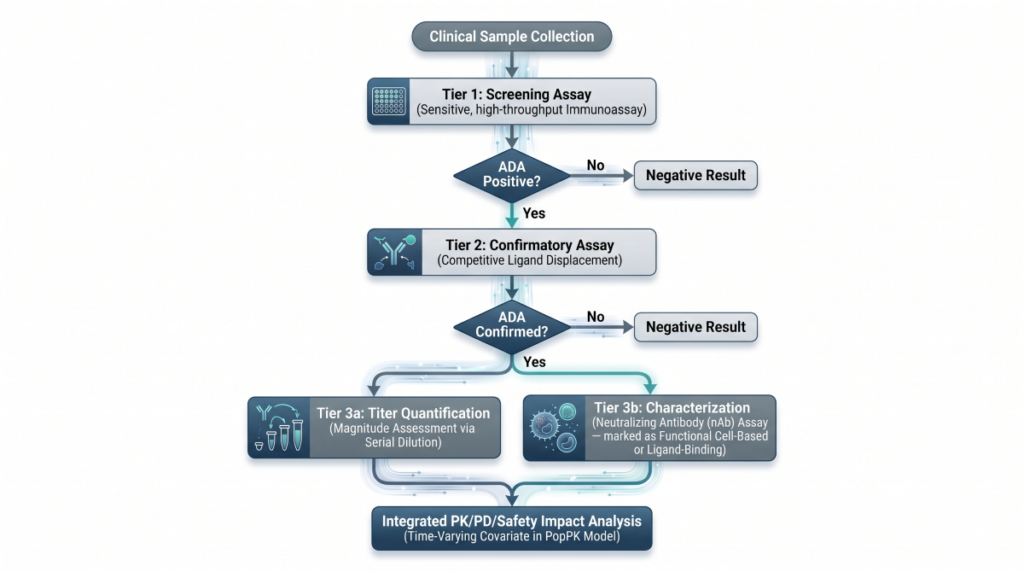
The Modality Matrix Series Portfolio This third report shifts focus from low-molecular-weight chemical entities to engineered macromolecular biologics. The clinical pharmacology plan (CPP) for large molecules requires multi-dimensional characterization of tissue convection, target-mediated saturation, spatial binding kinetics, and immunogenicity profiles to clear modern regulatory barriers. Article Sequence Thematic Focus Status Article 1 Overview of Modalities […]

The Large Molecule Clinical Pharmacology Plan: Mechanistic Disposition of Monoclonal and Bispecific Antibodies Read More »

The Small Molecule Clinical Pharmacology Plan

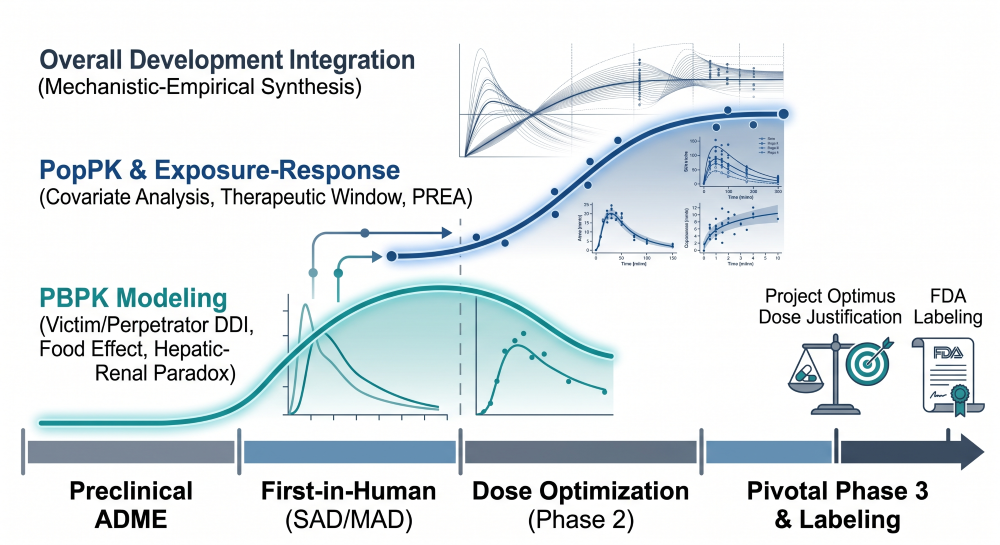
While small molecules represent the foundational pillar of systemic pharmacotherapy, the regulatory landscape of 2026 demands a departure from empirical dose-finding. This report details the comprehensive requirements of a modern small molecule Clinical Pharmacology Plan (CPP), spanning biopharmaceutics, classical ADME, metabolic liabilities, and the Model-Informed Drug Development (MIDD) engine. Article Sequence Thematic Focus Status Article

The Small Molecule Clinical Pharmacology Plan Read More »

The MIE Shift: When the Model Becomes the Primary Evidence for FDA Approval

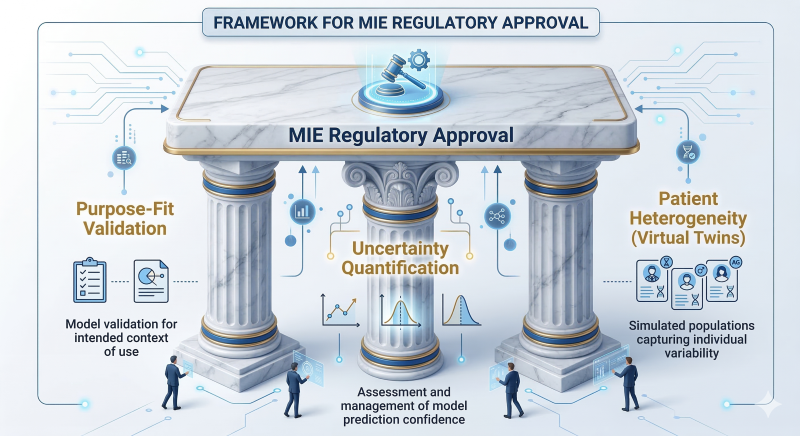
Executive Summary For a long time, the pharmaceutical industry viewed Clinical Pharmacology models as helpful supporting characters. They were tools used to guide a trial design or help justify a specific dose. As we move through 2026, a fundamental shift has taken place. The FDA and EMA have moved from Model Informed to Model Integrated

The MIE Shift: When the Model Becomes the Primary Evidence for FDA Approval Read More »

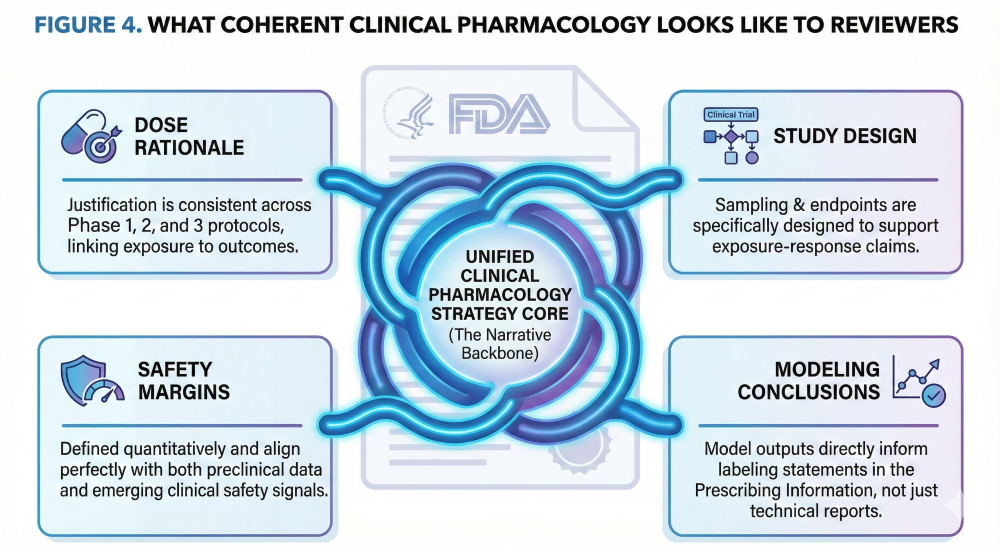
The Quiet Risk in 2026 INDs: When Clinical Pharmacology Is Treated as a Deliverable Instead of a Strategy

Many 2026 INDs are already being scoped. Budgets are being finalized, CROs are being shortlisted, and timelines are being compressed. In that environment, clinical pharmacology often becomes something to be delivered rather than something to be designed. Analyses are commissioned because the IND needs them, not because a decision requires them. The risk here is

The Quiet Risk in 2026 INDs: When Clinical Pharmacology Is Treated as a Deliverable Instead of a Strategy Read More »